





Key takeaways
- Warm saltwater rinses, a cold compress, and targeted pain relief can calm most toothaches until you reach a dentist.
- Swelling, fever, spreading pain, or trouble swallowing means you should not wait for Monday.
- A knocked-out or broken tooth is time-sensitive, so call for help quickly.
- Antibiotics are not a cure for tooth pain and are not always needed.
- Consistent hygiene and regular checkups are your strongest defense against surprise weekend pain.
Answer First: What to Do for a Weekend Toothache
When a toothache strikes over the weekend, it can be difficult to know what to do, especially when your regular dental clinic is closed. Start with a few simple steps: rinse with warm salt water, hold a cold compress against the outside of your cheek, and take over-the-counter pain relief exactly as directed on the label. Then, keep a close eye on how the pain behaves over the next few hours. Most weekend toothaches can be managed with these calm, careful steps until you can reach a dentist. When you’re ready for professional care, Lawen Dentistry can help you get the dental attention you need.
At Lawen Dentistry in Halifax, Dr. Danny Lawen, D.D.S., is a Blue Diamond Invisalign Provider (‘Blue Diamond’ Invisalign provider is a status awarded by Align Technology to dental practices that treat a high volume of patients, typically over 300 patients a year).
Quick steps to ease tooth pain before you reach a dentist
Think of these as your first-aid moves. They will not fix the root cause, but they can turn a roaring ache into something manageable.
Rinse gently
Swish warm salt water for about 30 seconds to soothe the area and loosen any trapped debris.
Cool the swelling
Place a cold compress on your cheek for 15 minutes at a time to ease puffiness and dull the throb.
Use pain relief wisely
Take an over-the-counter pain reliever following the directions on the package.
Watch and note
Track your symptoms so you can describe them clearly when you call for care.
Signs that mean you should not wait
Some symptoms are your body waving a bright flag. Call for urgent help right away if you have facial or gum swelling, a fever, pain that spreads toward your ear or jaw, trouble swallowing or breathing, or a tooth that has been knocked out or badly broken. These are not wait-until-Monday situations.
Why Toothaches Seem to Strike on Weekends
Toothaches love bad timing, and there is a reason weekends feel cursed. Pain often builds quietly during the busy workweek, and by Saturday your guard is down and the discomfort has finally grown loud enough to demand attention. It is not that teeth wait for the weekend on purpose. It is that small warning signs get ignored until they can no longer be brushed aside.
Common causes of sudden tooth pain
A surprising number of culprits hide behind that sharp jolt. Common causes include a cavity that has reached the nerve, a cracked or chipped tooth, an old filling that has loosened, gum irritation, food wedged tightly between teeth, or an infection brewing near the root.
- Decay that has crept close to the nerve
- A crack or chip from biting something hard
- Sensitivity from worn enamel or exposed roots
- Pressure from an infection or abscess
How small problems turn into weekend emergencies
A tiny twinge on Wednesday can become a pounding ache by Saturday night. Minor decay quietly deepens, a hairline crack widens with every bite, and a small pocket of irritation can turn into swelling. The lesson is simple. When a tooth whispers a complaint, listening early keeps it from shouting later.
Safe Home Steps to Manage the Pain
Home care is about comfort and calm, not a permanent fix. The following steps are gentle, sensible, and safe for most people while you arrange to see a dentist. According to clinical guidance on managing acute dental pain, non-opioid pain relievers used as directed are a reasonable first choice for many adults with tooth pain.
Rinsing with warm salt water
A warm salt water rinse is the classic opening move for good reason. Stir a small amount of salt into a cup of warm water, swish gently, and spit. It helps clean the area, calms irritated gums, and can flush away trapped food that may be pressing on a sore spot.
Cold compress for swelling
If your cheek feels puffy or tender, a cold compress is your friend. Wrap ice or a cold pack in a thin cloth and hold it against the outside of your face for around 15 minutes, then take a break before repeating. Never place ice directly on your skin or on the tooth itself.
Over-the-counter pain relief and safe use
Reach for an over-the-counter pain reliever and always follow the label. Do not exceed the stated dose, and be mindful of other medications or health conditions that might interact. As current dental pain guidelines note, the goal is safe, temporary relief rather than masking a problem that needs real treatment.
Keeping the area clean
Keep brushing and flossing gently, even around the sore tooth. A clean mouth heals and behaves better. If flossing near the tender area feels difficult, slow down and be careful rather than skipping it entirely, since trapped food can keep the ache alive.
What to Avoid When You Have a Toothache
Sometimes the smartest move is knowing what not to do. A few well-meaning habits can quietly make tooth pain worse.
Habits that can make pain worse
Crunching on ice, grinding your teeth when stressed, or chewing on the painful side can all deepen the discomfort. Heat pressed against a swollen area can worsen swelling, so stick with cold instead.
Myths about home remedies
Placing an aspirin tablet against the gum does not soothe the tooth. It can actually burn the delicate tissue. Many trendy remedies promise miracles and deliver disappointment. Stick to the gentle, proven steps above and let a dentist handle the underlying cause.
Toothache in Children: What Parents Can Do
When a little one is in pain, the whole household feels it. The good news is that calm, simple care goes a long way for children too.
Gentle relief for little ones
Start with a warm salt water rinse if your child is old enough to swish and spit safely. A cold compress on the outside of the cheek can ease soreness. For pain relief, use only children’s products dosed by weight and age, and follow the package or your pharmacist’s guidance closely. Guidance on managing dental pain in children supports careful use of appropriate over-the-counter relief. Our children’s dentistry team is here to help when the ache does not settle.
When to call for urgent care
Call promptly if your child has facial swelling, a fever, will not eat or drink, has a knocked-out tooth, or is in pain that steadily worsens. Children can go downhill faster than adults, so trust your instincts and reach out sooner rather than later.
When a Toothache Becomes a Dental Emergency
Not every toothache is an emergency, but some absolutely are. Knowing the difference can protect your health and even save a tooth.
Swelling, fever, and spreading pain
Swelling in the face or jaw, a fever, or pain that travels toward your ear, neck, or eye can signal a spreading infection. Trouble swallowing or breathing is a serious warning sign that needs immediate attention. Do not sit on these symptoms.
Knocked-out or broken teeth
A knocked-out tooth is a race against the clock. Handle it by the crown, not the root, keep it moist, and seek care right away. A badly broken tooth with sharp edges or deep pain also deserves quick attention before the damage grows.
Why antibiotics are not always the answer
It is tempting to think antibiotics will erase tooth pain, but they usually will not. Guidance on antibiotic use for dental pain and swelling makes clear that most pulp-related pain is resolved by treating the tooth itself, not by antibiotics alone. Taking them without need can cause harm and does nothing to fix the source. That is why a dental visit matters so much.
Getting Help in Halifax on the Weekend
You do not have to face weekend pain alone in Halifax. Our team offers emergency dental care in Halifax so you have somewhere to turn when a tooth will not cooperate. If you are new to us, you can become a patient and find our locations before you need us.
How our team supports emergency dental needs
When you call, describe your symptoms clearly so we can guide your next step. Whether it is swelling, a broken tooth, or pain that will not quit, we aim to see you promptly and get you comfortable. You can reach us at (902) 424-1888.
What to expect at your visit
At your appointment, we listen first, then examine the tooth, take any images we need, and explain what is happening in plain language. From there, we walk through your options together so you leave with a clear plan and, most importantly, relief.
Preventing the Next Weekend Toothache
The finest cure is the ache that never arrives. A few steady habits keep your teeth quiet and your weekends peaceful.
Daily oral hygiene habits
Brush twice a day, floss once a day, and do not rush. These small routines remove the buildup that leads to decay and gum trouble. Consistency, not perfection, is what protects you over time.
Regular checkups and early treatment
Regular visits catch tiny problems before they grow into weekend emergencies. Our approach to preventative dentistry is built around spotting and treating issues early, so a small filling today never becomes a painful surprise later.
A note on straighter teeth with Invisalign
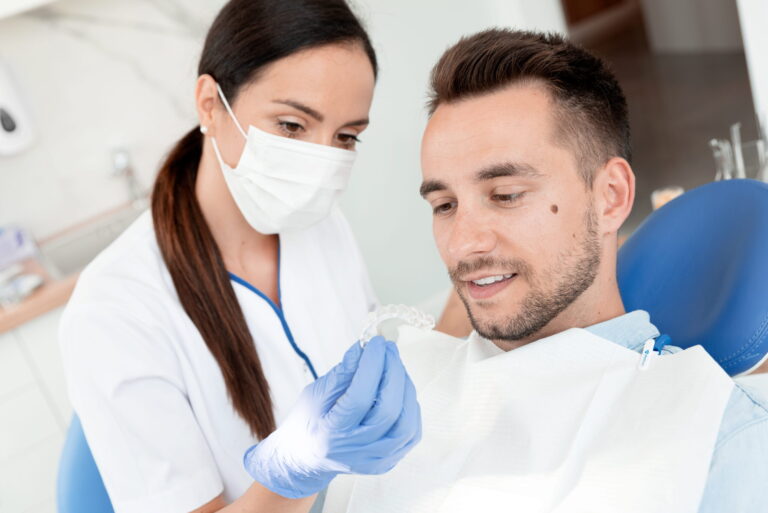
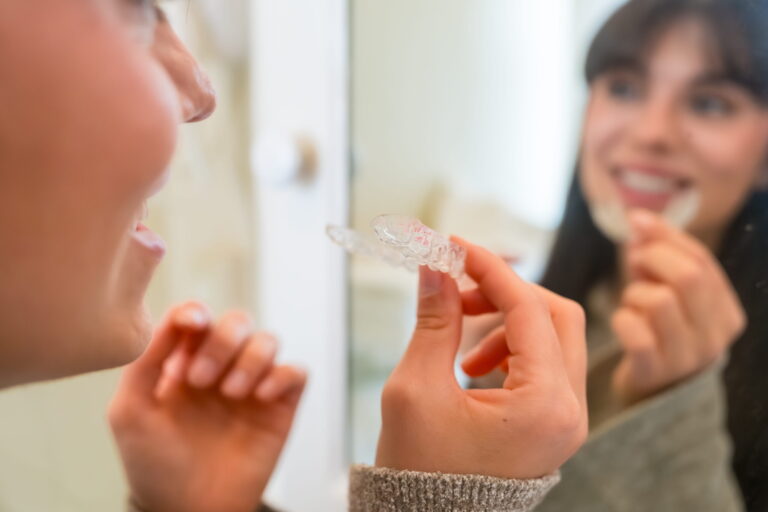
Crowded or crooked teeth can trap food and make cleaning harder, which can invite decay in hidden corners. As a Blue Diamond Invisalign provider, Dr. Lawen offers Invisalign to help align your smile so it is easier to keep clean. Aligners are worn 24 hours a day, except during your oral hygiene routine, and treatment usually takes 6 to 12 months. Straighter teeth are simpler to brush and floss, which supports fewer future aches.
Ready to take the next step?
Schedule a consultation with Lawen Dentistry – Spring Garden Road in Halifax.
Call (902) 424-1888
A Halifax native, Dr. Danny Lawen, D.D.S., has built his career around a lifelong passion for dentistry. He studied Chemistry at Dalhousie University for his undergraduate degree, graduating with distinction, then continued at Dalhousie’s dental school, earning his Doctor of Dental Surgery in 2003 and finishing fourth in his class. During his training, he took part in a dental implant elective and was honored with awards in periodontology and dental biomaterials.
After dental school, Dr. Lawen completed a general practice residency in London, Ontario, where he honed his skills in oral surgery, including wisdom tooth extractions. He then worked as an associate dentist at Cosmo Dental Centre in London before returning home to Halifax.
Dr. Lawen’s practice today centers on cosmetic dentistry, dental implants, and Invisalign, and he’s continued building his expertise through advanced training at institutions such as the Kois Center, the Dawson Academy, and the Misch International Implant Institute, among others. He’s also pursued specialized instruction in oral plastic surgery and gum grafting, cosmetic restorative techniques, and Botox training.
He is a member of several professional organizations, including the Canadian Dental Association, the Nova Scotia Dental Association, and the International Congress of Oral Implantologists. An Invisalign provider since 2006 at Lawen Dentistry in Halifax, Dr. Danny Lawen, D.D.S., is a Blue Diamond Invisalign Provider (a status awarded by Align Technology to dental practices that treat a high volume of patients, typically over 300 patients a year, reflecting the depth of experience he brings to every case).
Outside the office, Dr. Lawen is a family man and an active one – he enjoys travel, cycling, and basketball, and shares his life with his wife, Olivia, and their five children.
Frequently asked questions
Q: What can I do to relieve a toothache at home on the weekend?
Start with a warm salt water rinse to clean and soothe the area, then hold a cloth-wrapped cold compress against the outside of your cheek for about 15 minutes at a time. You can also take an over-the-counter pain reliever exactly as directed on the label. Keep brushing and flossing gently around the sore tooth, and avoid very hot, cold, sugary, or hard foods on the painful side. These steps are for temporary comfort while you arrange to see a dentist.
Q: When should I see a dentist for tooth pain?
See a dentist if your tooth pain lasts more than a day or two, keeps returning, or steadily worsens. You should seek care right away, even on a weekend, if you notice facial or gum swelling, a fever, pain spreading toward your ear, jaw, or neck, trouble swallowing or breathing, or a knocked-out or broken tooth. Prompt attention protects your health and can help save the tooth. You can reach our Halifax team at (902) 424-1888.
Q: Is it safe to take pain relievers for a toothache?
For most healthy adults, over-the-counter pain relievers taken as directed on the label are a reasonable way to ease tooth pain temporarily. Never exceed the stated dose, and check for interactions with other medications or health conditions. If you are unsure, ask your pharmacist. Pain relief manages the discomfort but does not fix the underlying cause, so a dental visit is still important to address the actual problem.
Q: How can I tell if my toothache is a dental emergency?
A toothache becomes an emergency when it comes with facial or jaw swelling, a fever, pain that spreads toward your ear or neck, or trouble swallowing or breathing. These can signal a spreading infection. A knocked-out tooth or a badly broken tooth is also urgent and time-sensitive. If you notice any of these signs, do not wait for regular hours. Call for urgent dental care right away so the problem can be treated before it worsens.
Q: What should I do if my child has a toothache on the weekend?
Comfort your child with a warm salt water rinse if they can swish and spit safely, and place a cold compress on the outside of the cheek to ease soreness. Use only children’s pain relief products dosed by age and weight, following the package or your pharmacist’s guidance. Call for urgent care if your child has facial swelling, a fever, will not eat or drink, has a knocked-out tooth, or is in pain that keeps getting worse. Children can decline quickly, so reach out sooner rather than later.
Q: Can a toothache go away on its own?
Sometimes a toothache eases for a while, especially if it was caused by trapped food or minor irritation. However, pain that fades but keeps returning often means the underlying issue, such as decay or infection, is still there and may be growing quietly. A tooth that stops hurting is not always a tooth that has healed. It is wise to have any recurring or lingering toothache checked so a small problem does not become a larger, more painful one.
At Lawen Dentistry in Halifax, Dr. Danny Lawen, D.D.S., is a Blue Diamond Invisalign Provider (‘Blue Diamond’ Invisalign provider is a status awarded by Align Technology to dental practices that treat a high volume of patients, typically over 300 patients a year).
Want to schedule an appointment now? Follow our directions, use this helpful Google Maps link, or get step-by-step navigation via Get Directions.
Remember: Home steps can ease a weekend toothache, but ongoing or worsening pain, swelling, or fever means you should contact a dentist without delay.
Disclaimer: This article is for general information only and is not a substitute for professional dental advice, diagnosis, or treatment.