





Many people grind their teeth at night without realizing it. Morning jaw soreness, flattened teeth, headaches, or unexplained enamel loss often surface long before the grinding itself becomes obvious. Understanding how this habit affects your oral health is the first step toward meaningful change. At Lawen Dentistry, patients receive clear guidance and practical strategies designed to address grinding with comfort, education, and supportive care.
Much like a well-coordinated performance relies on harmony, your bite, sleep routine, and jaw muscles also need balance to function comfortably. Grinding disrupts that balance, causing strain at night and discomfort during the day. With professional insight and thoughtful daily habits, you can help protect your teeth in ways that feel natural and sustainable. At Lawen Dentistry in Halifax, Dr. Danny Lawen, D.D.S., is a Diamond Invisalign Provider (Diamond status is based on the number of Invisalign services provided every 6 months). He is committed to providing personalized dental care that helps patients achieve beautiful, healthy smiles.
This blog explores how grinding develops, why protective appliances matter, and how sleep and lifestyle habits influence jaw activity.
Understanding Why Teeth Grinding Happens
Teeth grinding, commonly called bruxism, is often related to muscle tension or subconscious jaw activity, especially during sleep. While it can occur during the day, nighttime grinding tends to be more forceful and repetitive. Because it happens when you are unaware, the signs may be subtle until the condition becomes more advanced.
Typical symptoms may include:
- Jaw tightness in the morning
- Headaches that begin shortly after waking
- Unexplained wear on the biting surfaces
- Tooth sensitivity
- Cracking or chipping
- A clicking or popping sound when opening or closing the jaw
Sleep-related grinding can be influenced by various factors, such as muscle fatigue, sleep disturbances, or personal habits. Dr. Danny Lawen, on preventing teeth grinding, emphasizes the role of understanding daily patterns and nighttime behaviors that contribute to jaw tension. The more you know what causes grinding, the easier it is to support your oral health naturally.
Left unmanaged, grinding can gradually erode enamel, strain the jaw joints, and weaken the structural integrity of your teeth. Taking a proactive approach helps protect your smile, reduce discomfort, and maintain long-lasting oral wellness.
Why a Protective Approach Makes a Difference
Creating a barrier between the upper and lower teeth at night can significantly reduce the effects of grinding. Lawen Dentistry provides appliances designed to cushion your teeth and support a more relaxed jaw position during sleep.
The Role of a mouth guard for sleeping
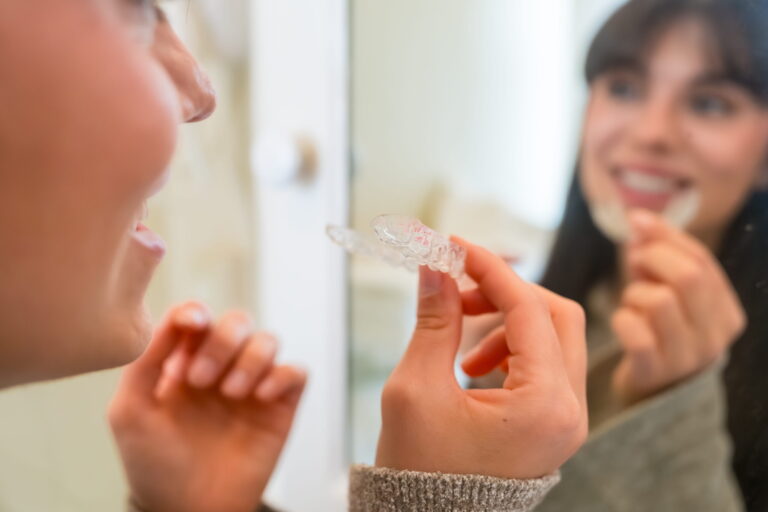
A mouth guard for sleeping provides a smooth and supportive surface that prevents teeth from contacting each other directly. This contact reduction can ease muscle strain, protect enamel, and minimize morning discomfort. While over-the-counter guards exist, their universal sizing often leads to poor fit, uneven pressure, and potential irritation of the gums or tongue.
A loose-fitting guard can cause shifting or discomfort, making it unsuitable for long-term use. Many people eventually turn to personalized solutions for a more comfortable and reliable experience.
The Value of custom mouth guards designed by Dr. Danny Lawen
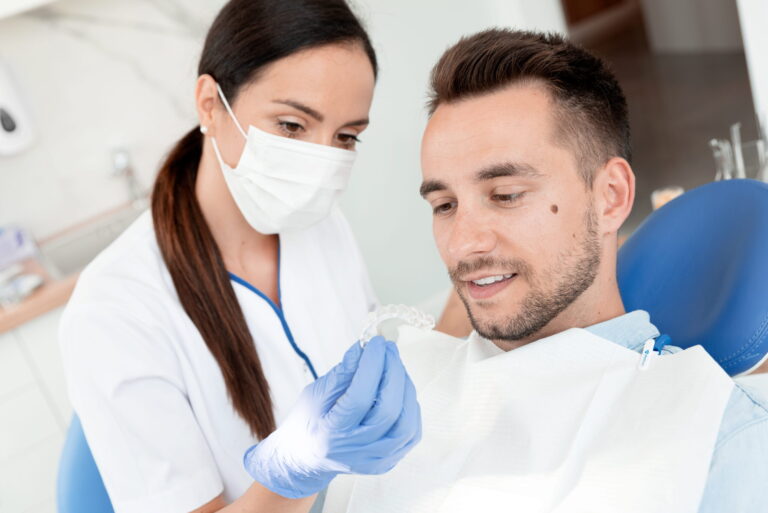
Personalized night guards are crafted to match your exact dental structure, providing stable placement and balanced pressure distribution. Custom mouth guards designed by Dr. Danny Lawen offer a smooth, natural fit. These guards are durable, precise, and comfortable for nightly use.
You can explore a full overview of these devices through Discover custom mouth guards with Dr. Danny Lawen.
A custom guard supports the jaw more effectively by being tailored to your bite. This reduces muscle activity and helps your jaw settle into a more neutral resting position during sleep.
Exploring Night Guard Benefits
Many people feel noticeable improvements soon after they begin using a night guard. These improvements may include fewer headaches, less jaw soreness, smoother morning routines, and protection against tooth wear.
Night Guard Benefits Explained by Dr. Danny Lawen
When discussing night guard benefits explained by Dr. Danny Lawen, common advantages include:
- Reduced enamel wear and fractures
- Decreased pressure on restorative dental work
- Fewer morning headaches
- Improved jaw comfort
- Protection against long-term structural damage
Night guards act as protective buffers, absorbing grinding forces and allowing the jaw muscles to relax more easily. To learn more, you can explore Get insights on night guard benefits by Dr. Danny Lawen.
Improving Nighttime Habits for Jaw Relief
Sleep habits have a major influence on grinding. Creating a restful environment and maintaining a consistent routine can support muscle relaxation.
Sleep Dentistry Tips from Dr. Danny Lawen
Many helpful strategies are included in Dr. Danny Lawen’s sleep dentistry tips. Common suggestions include:
- Aim for a consistent sleep schedule
- Develop a calming nightly routine
- Reduce stimulating screen time before bedCreate a dark, quiet sleep environment
- Limit late-night heavy meals or stimulating beverages
Relaxation exercises before bedtime, such as light stretching or slow breathing, can help ease tension in your jaw muscles.
For more helpful habits, visit Find sleep dentistry tips shared by Dr. Danny Lawen.
Daily Habits That Support Natural Jaw Relaxation
Teeth grinding is not always solved overnight, but consistent daily effort can lead to meaningful improvement. Small shifts in your habits can reduce strain and promote a more relaxed jaw.
Practice gentle jaw awareness.
Throughout the day, check whether your teeth are touching. If they are, gently separate them and position your tongue lightly against the roof of your mouth. This promotes a resting posture that discourages clenching.
Manage daytime tension
Relaxation practices such as breathing exercises or music can help ease overall tension that may carry into nighttime.
Stay hydrated
Adequate hydration supports muscle function and reduces tightness that may contribute to grinding.
Limit excessive chewing
Frequent gum chewing can overwork the jaw muscles, increasing the likelihood of nighttime tension. Reducing chewing activity allows the jaw to rest.
The Role of Bite Appliances in Grinding Protection
Lawen Dentistry offers a variety of protective devices designed to support oral comfort and prevent damage from grinding. You can explore the full range of guard options.
These appliances are crafted for durability, stability, and comfort. They protect enamel by creating a smooth contact surface, thereby reducing muscle activity during sleep.
If you want to learn more about additional services beyond guards, you can explore the full services.
Lifestyle Choices That Support Less Grinding
Grinding often connects to how your muscles behave throughout the day. By adopting supportive routines, you can reduce strain and encourage comfortable jaw movement.
Posture matters
Leaning forward for long periods can strain the jaw and neck. Keeping your head aligned over your shoulders supports natural jaw function.
Warm compress
A warm cloth placed against the jaw before bedtime can help muscles loosen and prepare for sleep.
Mindful eating
Overly tough or chewy foods may tire the jaw muscles. Selecting foods that require less force can give your jaw a break when needed.
How Lawen Dentistry Supports Patients
The team at Lawen Dentistry focuses on education, clarity, and comfortable preventive solutions. Recommendations are tailored to each patient’s needs, without comparing the practice to others. Lifestyle, dental structure, and personal comfort all play roles in determining appropriate solutions.
You can learn more about the practice here
To find the clinic quickly, use the Google Maps resource Or refer to this alternative map link for directions
To book an appointment or ask questions, visit the contact page
Conclusion
Nighttime teeth grinding can place ongoing stress on your teeth and jaw, and affect your daily comfort. Still, practical support and the right protective solutions make a meaningful difference. Custom mouth guards help create a safer, more relaxed environment for your teeth and jaw. At the same time, you sleep, allowing you to maintain healthy habits with confidence. If you notice symptoms such as morning jaw tension, worn enamel, or frequent headaches, reaching out for a professional assessment is a helpful first step toward long-term comfort. With consistent guidance and a personalized approach, you can protect your smile and support your oral health routine with clarity and ease.
Key Takeaways
- Custom night guards help reduce stress on teeth and support jaw comfort during sleep.
- Teeth grinding can lead to enamel wear, tension, and morning discomfort if left unaddressed.
- A personalized guard offers a more precise and secure fit than store-bought options.
- Consistent nightly use supports long-term protection and healthier sleep routines.
- A dental evaluation provides clear guidance for choosing the right guard for your needs.
FAQ
1. What are common symptoms of teeth grinding?
Jaw tension, headaches, cracked enamel, flattened teeth, and morning soreness are common indicators.
2. How does a night guard help?
A guard cushions the teeth, reduces pressure, and protects enamel from grinding forces.
3. Are custom guards more comfortable?
Yes. Personalized guards adapt to your unique dental structure for improved stability and comfort.
4. Can lifestyle habits reduce grinding?
Relaxation techniques, posture awareness, and hydration all support healthier jaw behavior.
5. What should I do if I think I am grinding at night?
Schedule a consultation to evaluate your symptoms and explore suitable protective options.
Remember: Every patient’s oral health needs are unique, and habits related to teeth grinding can vary from person to person. Consistency with protective routines, awareness of jaw behavior, and the right dental guidance all play important roles in long-term comfort. If you experience signs of grinding or have concerns about nighttime jaw tension, scheduling an evaluation is the most reliable way to understand your specific needs.
Disclaimer: This blog is for educational purposes only and does not replace personalized dental advice, diagnosis, or treatment. Recommendations may not apply to every individual. For guidance tailored to your oral health, please schedule an appointment with a licensed dental professional.
At Lawen Dentistry in Halifax, Dr. Danny Lawen, D.D.S., is a Diamond Invisalign Provider (Diamond status is based on the number of Invisalign services provided every 6 months). He is committed to providing personalized dental care that helps patients achieve beautiful, healthy smiles.