







Tooth loss can affect more than appearance. It can influence chewing comfort, speech clarity, jawbone health, and confidence in everyday interactions. Fortunately, general dental implants offer a long-term approach for replacing missing teeth while supporting natural oral function.
Patients exploring dental implants in Halifax often ask whether a single implant or multiple implants make more sense for their situation. The answer depends on several factors, including the number of missing teeth, bone health, lifestyle needs, and long-term goals.
At Lawen Dentistry, implant care focuses on education, planning, and individualized treatment. This blog explains the differences between single and multiple dental implants, outlines how each option works, and helps you understand which approach may align with your smile restoration needs. At Lawen Dentistry in Halifax, Dr. Danny Lawen, D.D.S., is a Diamond Invisalign Provider (Diamond status is based on the number of Invisalign services provided every 6 months). He is committed to providing personalized dental care that helps patients achieve beautiful, healthy smiles.
Understanding Dental Implants and Their Purpose
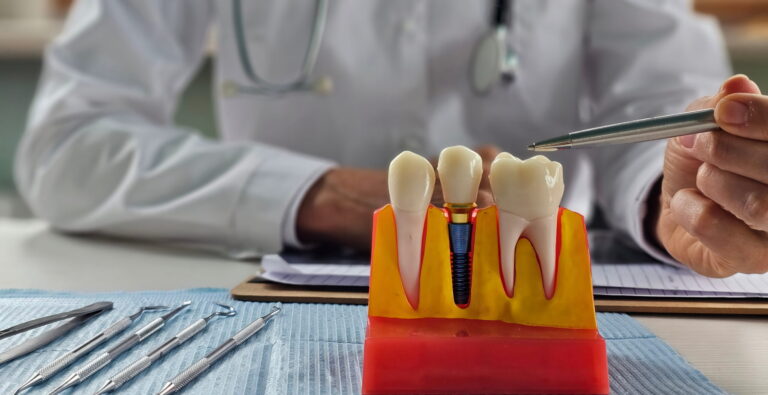
Dental implants are titanium posts placed into the jawbone to serve as artificial tooth roots. Once healed, they support crowns, bridges, or full-arch restorations, making them a reliable option for tooth replacement.
Unlike removable options, implants are designed to integrate with the jawbone, helping preserve bone density and facial structure. This integration plays a key role in the benefits of implant dentistry, such as stability, comfort, and long-term function.
Dental implants are commonly used for missing tooth restoration, whether one tooth is absent or several teeth need replacement.
What Is a Single Dental Implant?
A single dental implant replaces one missing tooth. It consists of one implant post and a custom crown designed to match the surrounding teeth in shape and color.
Single implants are often chosen when a tooth has been lost due to injury, decay, or extraction, while neighboring teeth remain healthy. This approach avoids altering adjacent teeth and supports natural spacing.
Single implants are a common option in single- and multiple-implant planning because they address isolated tooth loss without affecting other areas of the mouth.
When a Single Implant May Be Recommended
A single dental implant may be appropriate if:
- Only one tooth is missing
- Surrounding teeth are healthy
- Jawbone density is sufficient
- The goal is a stand-alone restoration
Single implants restore chewing efficiency and help prevent the shifting of nearby teeth. They also support jawbone health by stimulating the bone in the area of placement.
What Are Multiple Dental Implants?
Multiple dental implants are used when more than one tooth is missing. Depending on the situation, implants may support individual crowns, a fixed bridge, or a full-arch restoration.
This approach is often used for patients who have lost several teeth in one area or across the mouth. Multiple implants provide support for restorations that function as a unified system.
In many cases, multiple implants offer a balanced solution for long-term missing tooth restoration without relying on removable appliances.
Understanding All-on-4 Dental Implants
All-on-4 dental implants are a specific form of multiple implant treatment designed to support a full arch of teeth using four strategically placed implants.
This approach can be helpful for patients who are missing most or all of their teeth in an arch. By angling the implants, the technique maximizes contact with available bone, often reducing the need for additional procedures.
All-on-4 dental implants provide a fixed restoration that allows patients to speak and chew comfortably while supporting facial structure.
Comparing Single and Multiple Dental Implants
Choosing between single and multiple implants involves several considerations.
Single implants replace a single tooth without affecting the other teeth. They are often simpler in scope and limited to one area.
Multiple implants address broader tooth loss. They may require more planning and coordination, but allow the restoration of multiple teeth with stable support.
Both options are part of modern tooth replacement solutions. They are selected based on individual needs rather than a one-size-fits-all approach.
Bone Health and Implant Planning
Jawbone health plays a critical role in implant success. When teeth are missing, the bone in that area can gradually shrink. Dental implants help slow this process by providing stimulation similar to natural tooth roots.
During consultation, bone levels are evaluated to determine implant placement and quantity. This planning ensures implants are positioned to support both function and comfort.
Bone health considerations apply to both single and multiple implants, making assessment an essential part of treatment planning.
The Dental Implant Journey at Lawen Dentistry
Understanding the steps involved can help patients feel prepared and informed. To explore this process in more detail, you can discover the dental implant journey with Dr. Danny Lawen.
Consultation and Evaluation
The process begins with a comprehensive evaluation of oral health, bone structure, and overall dental history. Imaging and clinical assessments help determine whether single or multiple implants are appropriate.
Treatment Planning
A personalized plan is created to address the number of missing teeth, restoration type, and healing considerations. This stage is key to successful permanent tooth replacement by Dr. Danny Lawen.
Implant Placement
Implants are placed into the jawbone using precise techniques focused on comfort and accuracy. Healing begins as the bone integrates with the implant surface.
Restoration Phase
Once healing is complete, custom restorations are placed to restore appearance and function.
Benefits of Dental Implants for Daily Life
Dental implants support daily activities such as eating, speaking, and smiling with confidence. Unlike removable options, implants remain stable and function as part of the mouth.
Additional implant dentistry benefits include:
- Support for jawbone health
- Reduced movement during chewing
- Long-term stability
- Natural feel and appearance
To explore these advantages further, get insights into the benefits of implants from Dr. Danny Lawen.
Implant Care and Recovery
Healing after implant placement is a gradual process. Proper implant care and recovery involve following care instructions, maintaining oral hygiene, and attending follow-up visits.
Patients are encouraged to:
- Keep the area clean
- Avoid habits that place stress on healing implants
- Maintain regular dental checkups
Recovery timelines vary depending on the number of implants and the individual healing response.
Long-Term Maintenance of Implants
Dental implants require ongoing care similar to natural teeth. Brushing, flossing, and professional cleanings help maintain implant health.
Routine exams allow early detection of any changes around implants, supporting their longevity as a permanent tooth replacement by Dr. Danny Lawen.
Invisalign and Implant Awareness
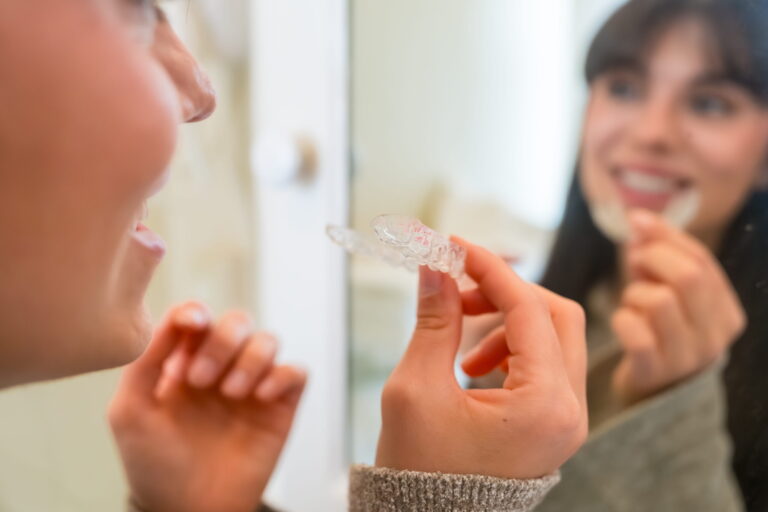
Patients using clear aligners alongside restorative care should maintain consistent wear. Aligners are designed to be worn for 23 to 24 hours per day, and patients can eat and drink while wearing aligners, supporting daily routines.
Maintaining oral hygiene during aligner use is essential to protect both natural teeth and implant restorations. Learn more by visiting the Invisalign page.
About Lawen Dentistry
Lawen Dentistry provides patient-focused dental care, emphasizing education and individualized planning. Implant treatment is approached with careful assessment and clear communication.
To learn more about the clinic’s philosophy and team, visit the About Us page.
Location, Directions, and Appointments
Patients seeking dental implants in Halifax can locate the clinic using Google Maps or plan their visit with Get Directions.
To schedule a consultation or ask questions about general or dental implants, use the Contact Us page.
Conclusion
Single and multiple dental implants both play important roles in restoring smiles affected by tooth loss. Understanding how each option works allows patients to choose solutions that align with their oral health needs and long-term goals.
At Lawen Dentistry, implant care focuses on thoughtful planning, patient education, and reliable outcomes. Whether replacing one tooth or several, dental implants offer a stable path toward renewed function and confidence.
Key Takeaways
- Dental implants provide stable tooth replacement solutions
- Single implants replace one missing tooth without affecting others
- Multiple implants address broader tooth loss
- All-on-4 dental implants support full-arch restoration
- Proper implant care supports long-term success
FAQ
1. What is the difference between single and multiple dental implants?
Single implants replace one missing tooth, while multiple implants are used when several teeth need replacement or when supporting a larger restoration.
2. How long does implant healing take?
Healing varies by individual and treatment type, but typically occurs over several months as the implant integrates with the bone.
3. Are dental implants permanent?
Implants are designed for long-term use when properly cared for and with routine dental visits.
4. Can implants replace all missing teeth?
Yes, options such as multiple implants and All-on-4 dental implants can restore full arches.
5. Do implants require special care?
Implants require daily oral hygiene and professional maintenance similar to natural teeth.
Remember: Every dental implant experience is unique. Treatment timelines, recovery, and outcomes depend on individual oral health, bone structure, and care routines.
Disclaimer: This blog is for informational purposes only and does not replace professional dental advice. Please schedule a consultation at Lawen Dentistry for personalized evaluation and treatment recommendations.
At Lawen Dentistry in Halifax, Dr. Danny Lawen, D.D.S., is a Diamond Invisalign Provider (Diamond status is based on the number of Invisalign services provided every 6 months). He is committed to providing personalized dental care that helps patients achieve beautiful, healthy smiles.