






Same day
When to seek care for facial swelling
911 / ER
For breathing or swallowing trouble
Rarely enough
Antibiotics alone for an abscess
Key takeaways
- Facial or jaw swelling from a tooth typically means an active infection that needs urgent treatment, not watchful waiting.
- Trouble breathing, difficulty swallowing, a swollen tongue or neck, high fever, or swelling near the eye are medical emergencies requiring the ER or 911.
- Antibiotics alone rarely cure a dental abscess; the source infection must be drained, treated with a root canal, or the tooth removed.
- Call an emergency dentist in Halifax the same day for swelling with tooth pain but no airway or breathing symptoms.
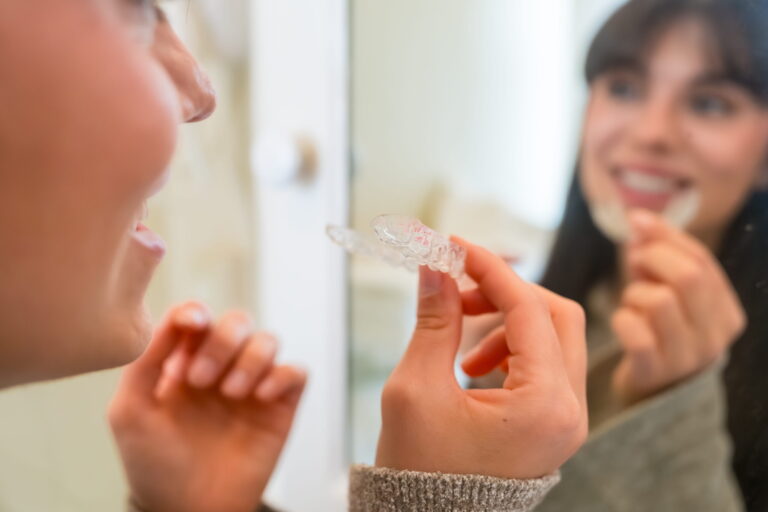
- Routine care and straighter, easier-to-clean teeth help prevent the infections that cause swelling.
Is a Swollen Face or Jaw a Dental Emergency?
Yes, in most cases a swollen face or jaw is a dental emergency. Swelling that comes from a tooth almost always points to an active infection, and dental infections do not resolve on their own. In my years treating patients here in Halifax, I have seen how quickly a manageable problem can become dangerous when swelling is ignored for a day or two.
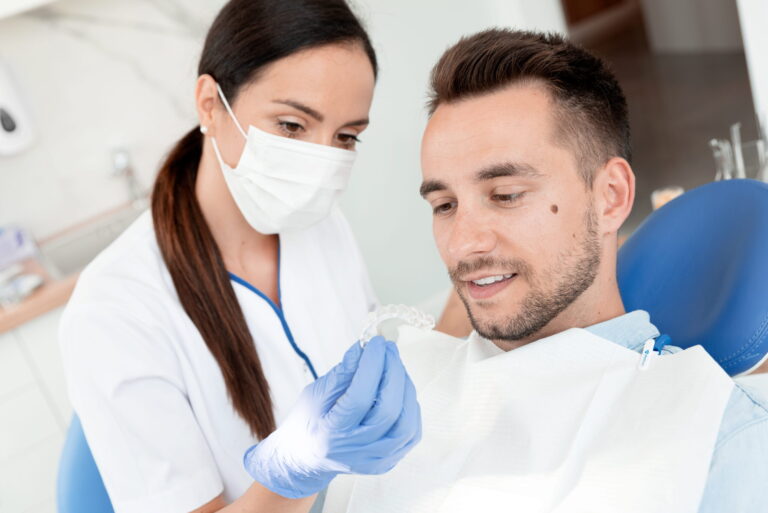
At Lawen Dentistry in Halifax, Dr. Danny Lawen, D.D.S., is a Blue Diamond Invisalign Provider (‘Blue Diamond’ Invisalign provider is a status awarded by Align Technology to dental practices that treat a high volume of patients, typically over 300 patients a year).
When swelling means you need urgent care
Any swelling of the face, cheek, jaw, or gums that appears alongside tooth pain, a bad taste, or fever should be treated as urgent. You should not wait to “see if it goes down.” A visible swelling means the infection has already moved beyond the tooth and into the surrounding tissue.
Why dental infections spread quickly
Dental infections originate in the tooth and can travel into the spaces of the face and neck through predictable pathways. Once bacteria reach these loose tissue spaces, the infection can advance rapidly and become life-threatening if it involves the airway, as described in clinical guidance on orofacial infections of dental origin. That speed is exactly why same-day evaluation matters.
What Causes Facial and Jaw Swelling from a Tooth?
Facial and jaw swelling from a tooth is most often caused by a dental abscess, an infected wisdom tooth, or an infection that has spread into the deeper spaces of the face. Each has a different starting point, but all share the same root cause: bacteria that have overwhelmed a tooth and its supporting tissue.
Tooth abscess and dental infection
A tooth abscess is a pocket of pus that forms when decay or a crack lets bacteria reach the nerve inside a tooth. The body walls off the infection, and pressure builds. This produces the throbbing pain and swelling many patients describe, and untreated decay is one of the most common sources of severe dental pain according to research on odontogenic pain.
Pericoronitis and wisdom teeth
Pericoronitis is inflammation and infection of the gum flap over a partly erupted wisdom tooth. Food and bacteria collect under the flap, and the area swells. Because this often needs a procedure to clean or remove the tooth, antibiotics by themselves are frequently overused and are not a lasting fix, as noted in a review of pericoronitis management.
Spread into facial spaces
When an infection is not addressed, it can push into the spaces around the jaw, cheek, floor of the mouth, and neck. These deeper space infections are why a swollen face is treated seriously in clinics and hospitals, based on documented odontogenic orofacial space infections.
Warning Signs You Should Never Ignore
Certain symptoms turn a dental problem into a medical emergency. If any of the following appear, do not wait for a dental appointment. Go to the emergency room or call 911.
Difficulty breathing or swallowing
Trouble breathing, trouble swallowing, drooling because you cannot swallow, or a muffled voice suggest the swelling is affecting your airway. This is the single most dangerous sign and needs emergency care immediately.
Fever, rapid swelling, and eye involvement
A high fever, swelling that grows quickly over hours, or swelling that spreads toward the eye and closes it are all red flags. Swelling near the eye can threaten vision and can move toward structures behind it.
Ludwig’s angina and other red flags
Ludwig’s angina is a fast-spreading infection of the floor of the mouth and neck that can block the airway. It is a recognized dental emergency that can be fatal without prompt treatment. Signs include a swollen, raised tongue, swelling under both sides of the jaw, and a firm, tender neck.
Emergency Dentist vs. Emergency Room: Where to Go
Choose an emergency dentist when you have tooth pain and swelling but can still breathe, swallow, and open your mouth normally. Choose the emergency room or 911 when swelling threatens your airway or comes with severe whole-body symptoms. Here is a simple way to decide.
| Your situation | Where to go |
|---|---|
| Toothache with cheek or jaw swelling, no breathing trouble | Emergency dentist, same day |
| Pus, bad taste, mild fever, but airway is clear | Emergency dentist, same day |
| Trouble breathing or swallowing, swollen tongue or neck | Emergency room or call 911 |
| Rapidly spreading swelling, high fever, eye swelling shut | Emergency room or call 911 |
When to call an emergency dentist in Halifax
If your airway feels normal, a dentist is the right first call because we treat the source of the infection. Our practice handles dental emergencies and can arrange prompt care. Call us at 902-424-1888 to be assessed.
When to go straight to the ER or call 911
Emergency departments manage airway and severe systemic infections that a dental office cannot. When breathing or swallowing is involved, minutes matter, so do not drive yourself if you feel your breathing is worsening.
How a Dentist Treats a Swollen Face or Jaw
A dentist treats a swollen face or jaw by finding the source, draining the infection, and then either saving or removing the tooth. Medication supports this process but does not replace it.
Diagnosis
We examine the area, take an X-ray, and identify which tooth is causing the infection and how far it has spread.
Drainage
Releasing the trapped pus relieves pressure, reduces pain, and lets the tissue begin to heal.
Treating the source
Depending on the tooth, this means a root canal to clean the inside of the tooth or an extraction to remove it.
Supporting recovery
Antibiotics may be prescribed alongside the procedure when the infection has spread, or you have systemic symptoms.
Why antibiotics alone are not enough
Antibiotics can slow an infection, but they cannot remove the dead tissue or trapped pus inside a tooth or gum. Overreliance on antibiotics without treating the source is a known problem in dentistry and can delay real recovery. The infection typically returns until the tooth is treated.
How to Manage Swelling Before Your Appointment
Before your appointment, focus on comfort and monitoring while you get professional care. These steps do not treat the infection, but they can help you cope in the hours beforehand.
Frequently asked questions
Q: Is a swollen jaw always a dental emergency?
A swollen jaw is nearly always urgent when it comes with tooth pain, fever, or a bad taste, because it usually signals infection. If you also have trouble breathing, swallowing, or opening your mouth, treat it as a medical emergency and go to the ER or call 911.
Q: How long can I wait before seeing a dentist for facial swelling?
You should be seen the same day. Facial swelling from a tooth means the infection has already spread beyond the tooth, and dental infections can advance quickly, so waiting even a day or two adds real risk.
Q: Can a tooth infection spread to my face and be dangerous?
Yes. A tooth infection can spread into the spaces of the face and neck and become life-threatening if it reaches the airway. Fast-spreading infections like Ludwig’s angina are a recognized reason to seek emergency care immediately.
Q: Should I go to the ER or an emergency dentist for a swollen face?
See an emergency dentist the same day if you can breathe, swallow, and open your mouth normally, since the dentist treats the source. Go to the ER or call 911 if you have breathing or swallowing trouble, a swollen tongue or neck, or rapidly spreading swelling.
Q: Will antibiotics alone cure a dental abscess?
No. Antibiotics can slow an infection but cannot remove the trapped pus or dead tissue inside the tooth. A dentist must drain the infection and then treat the tooth with a root canal or extraction, or the abscess will typically return.
Want to schedule an appointment now? Follow our directions, use this helpful Google Maps link, or get step-by-step navigation via Get Directions.
At Lawen Dentistry in Halifax, Dr. Danny Lawen, D.D.S., is a Blue Diamond Invisalign Provider (‘Blue Diamond’ Invisalign provider is a status awarded by Align Technology to dental practices that treat a high volume of patients, typically over 300 patients a year).
Remember: A swollen face or jaw usually means infection, so seek same-day dental care and treat any breathing or swallowing trouble as a 911 emergency.
Disclaimer: This article is for general information only and is not a substitute for professional diagnosis or treatment from a qualified dentist or physician.